
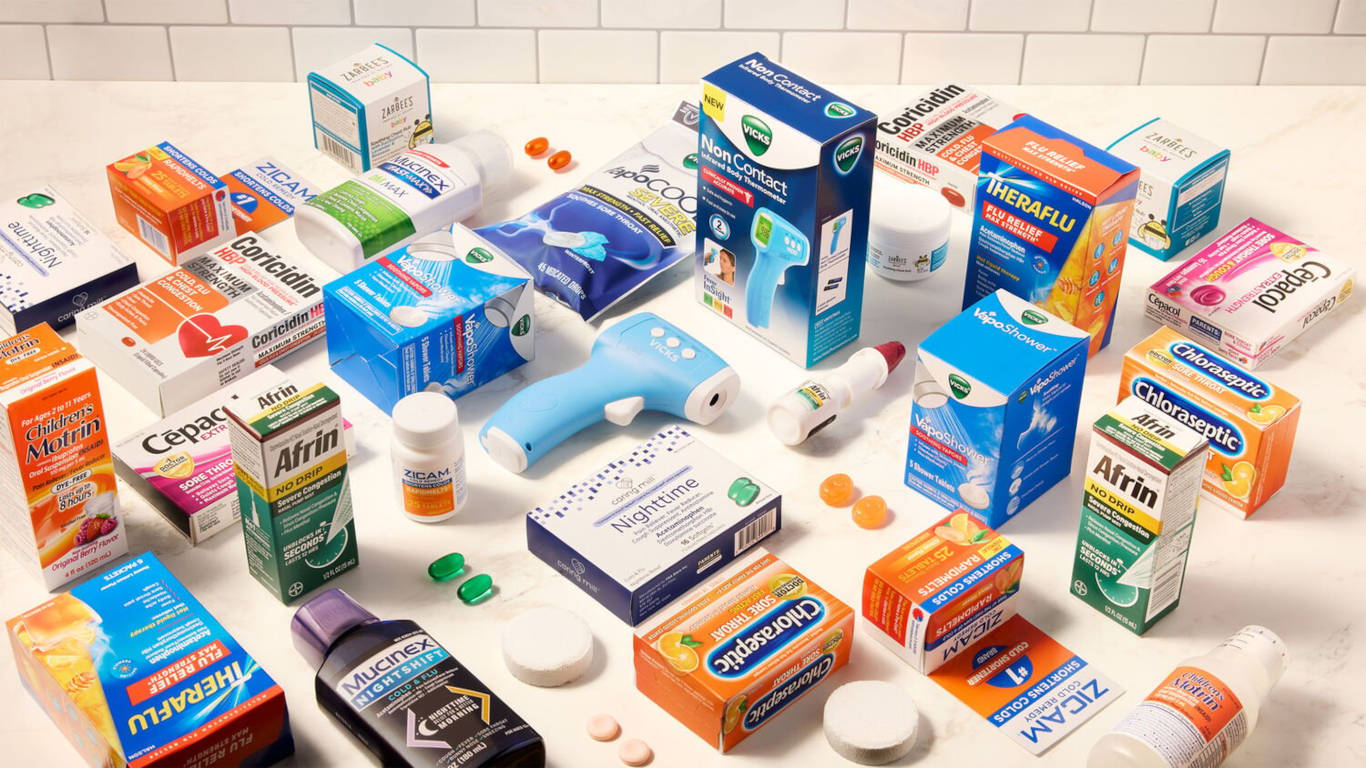
Health Savings Accounts (HSAs) and Flexible Spending Accounts (FSAs) are powerful tools for covering medical expenses with pre-tax dollars, offering significant tax savings. While most people use these accounts for common expenses like doctor visits or prescription medications, the IRS definition of “qualified medical expenses”—items used for the diagnosis, cure, mitigation, treatment, or prevention of disease, or to affect any structure or function of the body—includes some surprisingly unusual purchases. From pet-related costs to travel accessories, here’s a curated list of the weirdest, yet fully eligible, items you can purchase using your HSA or FSA, helping you maximize your account’s potential. Always check with your HR department, FSA administrator, or tax professional to confirm eligibility, as rules can vary based on individual circumstances.
1. Dog Food and Treats for Guide Dogs
If you have a certified guide dog, the costs associated with their care are HSA-eligible. This includes dog food, treats, training, and maintenance expenses—essentially anything that supports the animal’s health and vitality. For example, keeping your guide dog in top shape to assist with your medical needs, like vision or mobility support, qualifies as a reimbursable expense. However, this doesn’t extend to regular pets, so your non-service furry friends won’t make the cut.
2. Motion Sickness Wristbands
For those prone to nausea during car rides, boat trips, or flights, motion sickness wristbands are an HSA- and FSA-eligible purchase. These wristbands, which apply pressure to specific points on the wrist to reduce nausea, can make travel more comfortable without dipping into your after-tax dollars. They’re a small but mighty tool for road trip warriors who want to avoid the backseat barf bag.
3. Lip Balm with SPF
Yes, you can use your HSA or FSA to buy lip balm—but there’s a catch. It must be part of a sun care line, like Banana Boat, and have an SPF of 15 or higher to qualify as a protective measure against UV rays. This makes it a qualified expense for preventing sun-related health issues like skin damage or cancer. So, while you’re protecting your lips from harsh rays, you’re also saving on taxes—a win-win.
4. Compression Hosiery, Sleeves, and Socks
Compression gear, such as hosiery, sleeves, and socks, is eligible if it has a compression rating of 30-40 mmHg or higher. These items help with swelling in the legs or feet, often experienced during long flights or extended sitting. Instead of settling for plain black or beige, you can opt for a stylish design while using your HSA or FSA funds, making this a practical and fashionable purchase for managing circulation issues.
5. Acupuncture Sessions
Acupuncture, a treatment involving the insertion of fine needles into specific points on the body, is 100% HSA- and FSA-eligible. Often used for pain relief, stress reduction, or other medical conditions, this alternative therapy can be a relaxing way to spend your pre-tax dollars. If you’ve been curious about acupuncture, your health account gives you the perfect excuse to book an appointment.
6. Shipping and Handling for Medical Items
Need a prescription or medical item delivered to your doorstep? The shipping and handling fees associated with obtaining these items—such as drugs, medical supplies, or equipment—are eligible for reimbursement. This means you can order online with confidence, knowing that the delivery costs won’t come out of your pocket after reimbursement. It’s a small but often overlooked way to stretch your HSA or FSA funds.
7. Travel Expenses for Medical Care
If you need to travel to receive medical care, certain transportation costs can be covered by your HSA or FSA. This includes expenses like renting a car, taking a bus, using a ride-sharing service like Uber, paying tolls, or even flying (don’t forget those compression socks!). The key is that the travel must be directly related to obtaining medical care, such as visiting a specialist or undergoing a procedure. Speak with your accountant to ensure proper documentation, as specifics can vary.
8. High-Tech Health Devices
Modern technology has brought a range of innovative health devices that qualify as HSA- and FSA-eligible. Think pain-relieving massage guns, nerve-stimulating TENS therapy devices, sleep health trackers, light therapy for pain relief or skincare, or even at-home EKG units for monitoring heart health. These high-tech tools, used for medical purposes like pain management or diagnostics, allow you to invest in your health while saving on taxes.
9. Handicap License Plate Fees
The additional cost of obtaining a handicapped license plate is an eligible expense under HSA and FSA rules, as it’s tied to a medical need for accessibility. However, this fee can vary by state, so check your local regulations to confirm the exact amount you can claim. It’s a niche but practical use of your health account for those who qualify.
10. Baby Monitors for Medical Use
A baby monitor can be FSA-eligible if it’s used to monitor a child’s medical condition or safety, such as tracking breathing issues or other health concerns. This makes it a qualified medical device rather than a general parenting tool. If you’re using it for routine childcare without a medical necessity, it wouldn’t qualify—so be sure to document the medical purpose.
Bonus Surprises: Other Unexpected Eligible Items
- Kinesiology Tape: Popular among athletes, this tape helps with muscle recovery and injury support by increasing blood flow, making it HSA- and FSA-eligible.
- Travel (Neck) Pillows: If a medical condition necessitates their use during travel, such as for neck pain or support, these pillows can be covered.
- Foot Massagers: Eligible if used for medical purposes, like relieving pain from conditions such as plantar fasciitis.
- Smoking Cessation Aids: Nicotine gum, patches, and lozenges to help quit smoking are eligible, supporting a major health improvement.
What Doesn’t Qualify?
While the list of eligible items is expansive, some common products don’t make the cut. Diapers (for infants or adults), toiletries like shampoo or toothpaste, gym memberships for general fitness, and health insurance premiums are typically not covered. Always confirm with IRS guidelines or your plan administrator, as eligibility can depend on specific circumstances and documentation, such as a Letter of Medical Necessity (LMN) for items like sunscreen or humidifiers.
Maximizing Your HSA or FSA
Unlike FSAs, which often have a “use it or lose it” rule (though some plans allow limited rollovers), HSA funds roll over year after year, giving you more flexibility to save for future expenses. Both accounts can cover a wide range of items, from prenatal vitamins to menstrual products (thanks to the CARES Act of 2020) to PPE like hand sanitizer and masks. To make the most of your account, keep receipts and consult IRS Publication 969 for detailed guidance on qualified expenses. Happy tax-free shopping as you explore these quirky, yet eligible, purchases!
Note: Eligibility rules can change, and some items may require documentation like a prescription or LMN. Always verify with your HR team, FSA administrator, or tax professional before making purchases.